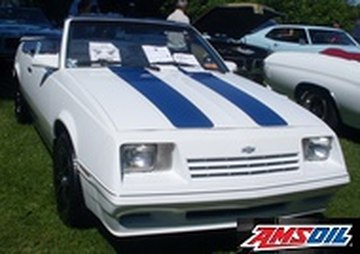
Maintenance Guide for the 1983 Chevrolet Cavalier 2.0L
Maintaining an older vehicle requires consistent attention to fluid levels and component health to ensure long-term operational stability. For owners of a 1983 Chevrolet Cavalier equipped with the 2.0L engine, understanding the specific fluids required for different systems is a fundamental part of routine care.
What transmission fluid is listed for my 1983 Chevrolet CAVALIER 2.0L?
The following fluids are listed for this vehicle: Manual Synchromesh Transmission Fluid 5W-30 (MTFQT-EA), Signature Series Multi-Vehicle Synthetic Automatic Transmission Fluid (ATFPK-EA), OE Multi-Vehicle Synthetic Automatic Transmission Fluid (OTFQT-EA), Torque-Drive® Synthetic Automatic Transmission Fluid (ATD1G-EA), Signature Series Fuel-Efficient Synthetic Automatic Transmission Fluid (ATLPK-EA), and OE Fuel-Efficient Synthetic Automatic Transmission Fluid (OTLQT-EA).
Engine Oil Selection and Viscosity
The engine oil serves as the primary lubricant for the internal moving parts of your 2.0L engine, reducing friction and helping to manage heat. For this specific application, the database allows for the use of 5W-30 engine oil. Selecting a viscosity that matches the manufacturer's requirements helps maintain proper oil pressure and ensures that the lubricant can flow effectively through the engine galleries during both cold starts and high-temperature operation.
Monitoring Fluid Levels Regularly
One of the most effective ways to prevent mechanical issues is to perform regular visual inspections of all vital fluids. This includes checking the engine oil level using the dipstick, as well as monitoring transmission fluid levels if your vehicle is equipped with a dipstick for that system. Low fluid levels can lead to increased component wear, overheating, or even catastrophic failure in extreme cases. If you notice a significant drop in fluid levels between scheduled checks, it may indicate a leak that requires professional inspection.
Understanding the Role of Synthetic Fluids
Modern fluid technology offers various formulations, including synthetic and multi-vehicle options. Synthetic fluids are engineered to provide stability across a wider range of temperatures compared to conventional oils. In many applications, synthetic fluids offer better resistance to thermal breakdown, which is beneficial for maintaining engine protection during extended periods of operation. When selecting fluids for your transmission or engine, understanding whether you are using a multi-vehicle formulation or a specialized fuel-efficient synthetic can help ensure you are meeting the intended performance characteristics of the vehicle's systems.
Managing Engine Oil Contamination
Over time, engine oil becomes contaminated with combustion byproducts, moisture, and microscopic metal particles. This contamination can degrade the oil's ability to lubricate effectively and protect engine surfaces. To manage this, it is essential to follow the manufacturer maintenance schedule for oil changes. While specific mileage or time intervals are not provided here, adhering to the guidance found in your owner's manual ensures that the lubricant remains chemically stable and physically capable of performing its protective duties.
General Maintenance Best Practices
Beyond fluid management, maintaining a 1983 vehicle involves keeping an eye on various mechanical connections and seals. Inspecting hoses for cracks, checking belts for proper tension, and looking for signs of weeping or leaking around the engine block can help catch small issues before they become major repairs. Consistent, proactive observation is the most reliable way to manage the aging process of a vehicle's components.
What fuel filter is listed for my 1983 Chevrolet CAVALIER 2.0L?
The following fuel filter is listed for this application:
- WIX Fuel Filters: 33481-EA
What coolant or antifreeze products are listed for my 1983 Chevrolet CAVALIER 2.0L?
The following products are listed for this vehicle:
- ANTPC1G-EA — Passenger Car & Light Truck Antifreeze & Coolant
- ANT1G-EA — Low Toxicity Antifreeze and Engine Coolant
How often should I change the oil in my 1983 Chevrolet CAVALIER 2.0L?
To determine the correct oil change frequency for your vehicle, you must follow the owner's manual or the manufacturer maintenance schedule.
What engine oil is listed for my 1983 Chevrolet CAVALIER 2.0L?
The following engine oils are listed for this vehicle:
- ASLQT-EA — Signature Series 5W-30 Synthetic Motor Oil
- XLFQT-EA — XL 5W-30 Synthetic Motor Oil
- OEFQT-EA — OE 5W-30 Synthetic Motor Oil
BUYING ENGINE OIL
When you are ready to purchase supplies, ensure you are selecting the correct viscosity for your 2.0L engine. For this application, look for 5W-30. Always verify that any product you purchase aligns with the requirements listed in your vehicle's documentation. Choosing high-quality lubricants helps maintain the integrity of your engine's internal components over time.